


 About Us
 Company Profile




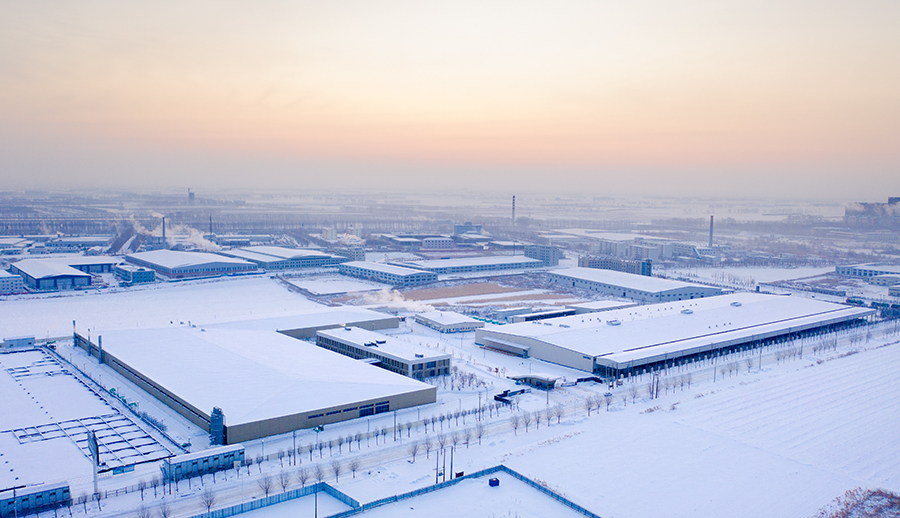
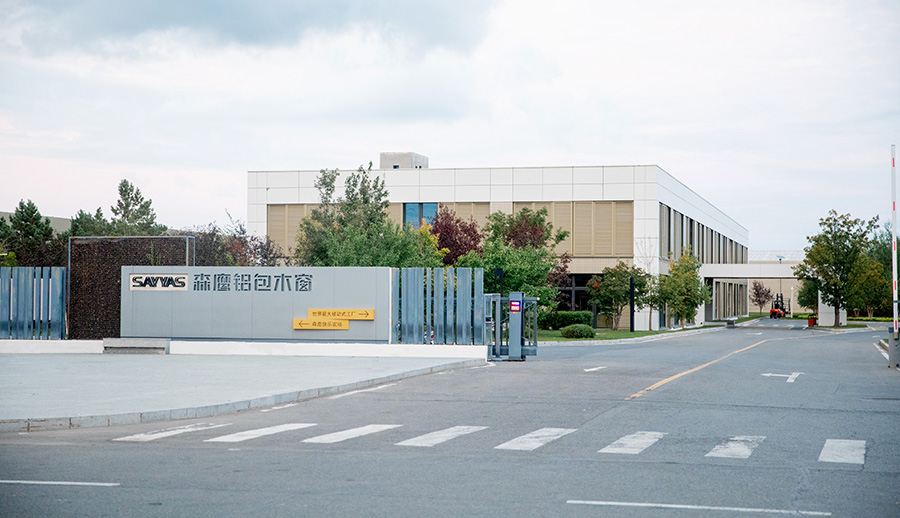
China's Top Suppliers of Zero-Carbon Architectural Solutions: SAYYAS' Innovative Energy-Efficient Windows Factory
Product Details
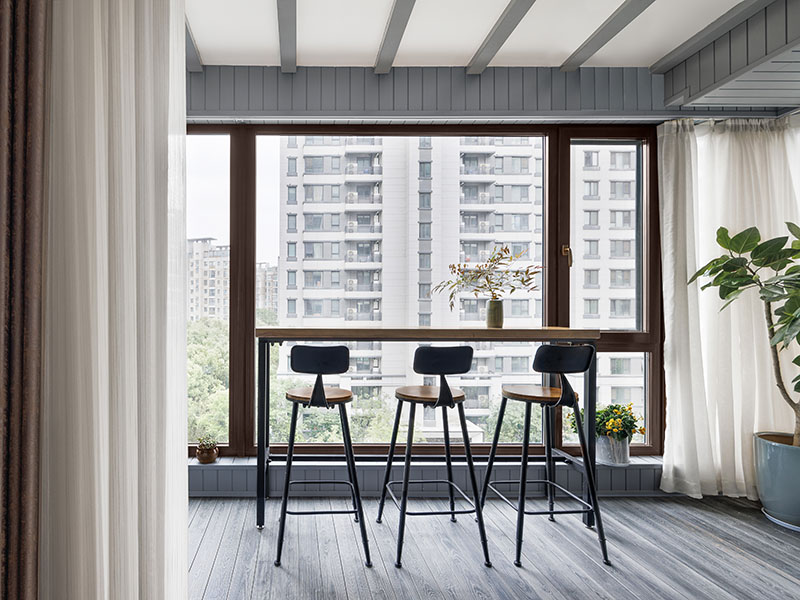
It is widely known that building windows, as the weakest link in a building's envelope, are often considered the "black hole" of building energy consumption. They account for approximately 40% of the total energy consumption of building enclosures, with heat loss around four times that of walls, five times that of roofs, and over twenty times that of floors. Therefore, in zero-carbon buildings, enhancing energy efficiency and maximizing carbon reduction in building windows is essential.
Total energy consumption of building enclosures
Heat loss compared to walls, roofs, and floors respectively
Essential focus on window energy efficiency and carbon reduction
Frequently Asked Questions
Why are building windows considered the "black hole" of energy consumption?
Building windows are the weakest link in a building's envelope. They account for approximately 40% of the total energy consumption of building enclosures, with heat loss significantly higher than walls, roofs, and floors.
How much energy do building windows consume compared to the rest of the enclosure?
Windows account for approximately 40% of the total energy consumption of building enclosures.
How does heat loss through windows compare to heat loss through walls?
Heat loss through building windows is around four times that of walls.
How does heat loss through windows compare to heat loss through roofs?
Heat loss through building windows is approximately five times that of roofs.
How does heat loss through windows compare to heat loss through floors?
Heat loss through building windows is over twenty times that of floors.
What is necessary for reducing carbon in zero-carbon buildings?
In zero-carbon buildings, enhancing energy efficiency and maximizing carbon reduction in building windows is essential.
Product Details
It is widely known that building windows, as the weakest link in a building's envelope, are often considered the "black hole" of building energy consumption. They account for approximately 40% of the total energy consumption of building enclosures, with heat loss around four times that of walls, five times that of roofs, and over twenty times that of floors. Therefore, in zero-carbon buildings, enhancing energy efficiency and maximizing carbon reduction in building windows is essential.
Frequently Asked Questions
Q: Why are building windows considered the "black hole" of building energy consumption?
Windows are the weakest link in a building's envelope, allowing significantly more heat to escape compared to walls, roofs, and floors, making them a primary source of energy waste.
Q: What percentage of building enclosure energy consumption is caused by windows?
Building windows account for approximately 40% of the total energy consumption of building enclosures.
Q: How does heat loss through windows compare to walls and roofs?
Heat loss through windows is approximately four times higher than that of walls and five times higher than that of roofs.
Q: How much more heat is lost through windows compared to floors?
Windows experience over twenty times the amount of heat loss compared to floors.
Q: Why is window energy efficiency critical for zero-carbon buildings?
Because windows represent the highest source of thermal transfer, enhancing their energy efficiency and maximizing carbon reduction is essential to achieving overall zero-carbon performance.