As we see the world of architecture changing, it's pretty clear that the demand for cool, innovative Glass Windows is on the rise. These days, buyers everywhere are looking for windows that not only look good but also work well. Thanks to new tech and a push for greener options, manufacturers are stepping up to meet these shifting tastes.
Looking ahead to 2026, it seems like energy efficiency and eco-friendly materials are gonna be the big things. Sliding Glass Door Glass options, in particular, are becoming super popular because they give a sleek, modern vibe and help save energy at the same time.
That said, it’s not all smooth sailing. Sometimes, the trendier designs might not fit every market or climate, so there’s a bit of a balancing act involved. When choosing your glass windows, it's smart to think about your specific needs and where you live. Making an informed decision means you can find that sweet spot between looking fresh and staying practical. Basically, staying ahead of the trend doesn’t mean sacrificing what really works for you in the long run.

Emerging Technologies in Glass Window Fabrication for 2026
In 2026, glass window fabrication is set to be transformed by several emerging technologies. Smart glass, which adjusts transparency based on sunlight, is gaining traction. ThesE Windows can significantly reduce energy consumption for temperature control. They allow natural light while minimizing glare and maintaining privacy.
Another innovation is the use of 3D printing in glass Window Designs. This technique enables the creation of complex geometries that traditional methods cannot achieve. It opens doors for bespoke designs tailored specifically to building requirements. However, the technology is still in its infancy and requires refinement for mass production.
Nanotechnology is also making waves, enhancing glass properties like strength and insulation. Coatings developed using nanotech can improve resistance to scratches and self-cleaning abilities. Yet, the long-term durability of these coatings remains to be seen. Each advancement presents potential benefits but also challenges in implementation and consumer acceptance.
Sustainable Materials and Eco-Friendly Designs in Glass Windows
As the industry shifts towards sustainable practices, eco-friendly glass window designs are leading the trend. Increasing consumer awareness drives the demand for environmentally responsible options. According to a report by the Global Glass Association, the use of recycled materials in glass production has risen by over 30% in recent years. This reflects a growing commitment to sustainability among manufacturers.
One innovative approach involves using low-emissivity (low-E) coatings. These coatings enhance energy efficiency by reflecting heat while allowing natural light to enter. This technology can reduce heating and cooling costs by up to 20%, providing tangible savings for homeowners. Furthermore, many designs incorporate insulating features that improve thermal performance. Notably, Glass Sliding Glass Doors are also being designed with these principles in mind, offering sleek options that do not compromise on environmental integrity.
However, some challenges remain. The market still faces issues with the sourcing of materials, and not all manufacturers adhere to sustainable methods. Furthermore, the upfront cost of eco-friendly glass windows can deter buyers. This means that while there's progress, the journey towards widespread adoption of sustainable practices in glass design is ongoing. Manufacturers must continue innovating to address these concerns and appeal to eco-conscious consumers.
2026 Top Trends in Glass Window Designs for Global Buyers
Innovative Aesthetic Trends Shaping Glass Window Styles
Innovative aesthetic trends are currently reshaping glass window styles, particularly as global buyers seek diverse design options. According to a recent industry report, homeowners are increasingly opting for larger glass installations that enhance natural light and provide scenic views. This shift emphasizes the beauty of transparent spaces, blurring the lines between indoors and outdoors.
Sustainability is another key factor influencing design choices. Many consumers prioritize eco-friendly materials, leading to a rise in demand for energy-efficient glass solutions. For instance, low-emissivity (Low-E) glass is now favored for its insulation properties. Furthermore, bold color frames and tinted glass have made significant inroads, highlighting individuality in residential and commercial projects. While these trends are exciting, consumers should be aware of potential challenges, such as replacing aging units. The Sliding Glass Door Replacement Glass market is expected to grow as older models are upgraded to meet modern aesthetics and efficiency.
There is also a noticeable appeal for custom designs. Homeowners increasingly want unique styles that match their personality. This trend can lead to longer project timelines and increased costs if not managed properly. In a fast-evolving market, striking a balance between innovative designs and practical considerations is essential for long-term satisfaction. Keeping these aspects in mind can ensure that buyers make informed choices for their glass window projects.
Smart Glass Features for Enhanced Energy Efficiency in Windows
The focus on smart glass technology is reshaping window designs in the global market. Recent reports indicate that nearly 15% of new buildings now incorporate smart glass features. This innovative material not only enhances aesthetics but also boosts energy efficiency. These windows can automatically adjust their tint based on sunlight exposure, significantly reducing energy consumption.
Smart glass can lower cooling costs by up to 30%. Studies from the Energy Saving Trust highlight that buildings with smart windows experience a 25% reduction in energy use. This capability addresses the growing demand for sustainable architecture. Yet, challenges remain, particularly regarding average installation costs. While many buyers seek energy efficiency, they may be hesitant due to the initial investment required.
Incorporating smart features demands careful consideration. For instance, not all buildings are designed to support these technologies effectively. Additionally, some users report a lack of awareness about maintenance requirements. The potential benefits are significant, but stakeholders must navigate these hurdles to fully embrace the future of glass window design.
2026 Top Trends in Glass Window Designs for Global Buyers
| Trend | Description | Energy Efficiency Rating | Key Feature |
| Smart Glazing | Dynamic tinting based on sunlight exposure to regulate indoor temperatures. | A++ | Auto-adjust light transmission |
| Triple Glazing | Three layers of glass for superior insulation and noise reduction. | A++ | High thermal efficiency |
| Low-E Glass | Glass coated with a thin, transparent layer to reflect heat. | A+ | UV protection |
| Vacuum Insulated Glass | Extremely low thermal conductivity for maximum insulation. | A++ | Slim profile |
| Smart Window Films | Films that can be applied to existing windows to enhance functionality. | A | Switchable between opaque and transparent |
Architectural Integration of Glass Windows in Modern Structures
As urban architecture evolves, glass windows are becoming pivotal in modern designs. A recent industry report by the International Glass Association reveals that 73% of architects now prioritize glass integration in their projects. This shift reflects a desire for natural light and improved energy efficiency. Natural light is not just aesthetic; it positively affects mood and productivity.
However, this trend presents challenges. The need for structural integrity and energy performance often conflicts with design ambitions. About 65% of architects express concerns about balancing functionality with aesthetics. High-performance glass is now a necessity, yet it can be costly, complicating projects, especially in larger buildings.
The integration of glass must also consider climate adaptability. In regions with extreme temperatures, the choice of glazing can impact energy consumption by up to 40%. As architects strive for innovative designs, they must remain mindful of the sustainable qualities of glass. While the trends in glass design are exciting, they also prompt critical reflections on materials and their lasting impact on the environment.
Global Market Insights: Consumer Preferences for Glass Window Designs
As global buyers look toward 2026, glass window designs are evolving rapidly. A key trend is the shift towards environmentally friendly options. Consumers now prefer windows made from sustainable materials that reduce energy consumption. This reflects a growing awareness of environmental impact. Modern glass designs not only enhance aesthetics but also promote energy efficiency.
Consumers are increasingly looking for versatility in glass window designs. Customization options are in demand. Buyers want solutions that fit their specific needs. Large, panoramic glass windows are gaining popularity. These options create a seamless connection between indoor and outdoor spaces. For instance, in urban areas, China Sliding Glass Door Glass allows for easy transitions while maximizing natural light.
When choosing glass windows, consider the framing materials. Aluminum frames may offer durability but can conduct heat. Vinyl frames are often preferred for their insulation properties. Look for glass with low-E coating to enhance energy efficiency. Think about the long-term comfort of your living space. Reflect on how your choices can reduce your carbon footprint while adding value to your home.
Future-Proofing: Adaptable Glass Solutions for Changing Environments
In the ever-evolving world of glass window designs, adaptability is key. Future-proofing solutions ensure that glass installations meet the demands of changing environments. As urban landscapes shift, architects seek designs that can respond to these changes. Innovations in glass technology allow for dynamic solutions, such as self-tinting and energy-efficient coatings. These features enhance comfort while reducing energy costs.
Moreover, flexibility is essential. Many homeowners and businesses now prefer ODM Sliding Glass Door Glass. It offers sleek aesthetics alongside functionality. These doors can transform spaces, allowing natural light to flood interiors. However, not all environments suit every design. Understanding local climate conditions and lifestyle needs is crucial when selecting glass solutions.
Choosing the right glass can be daunting. Factors like durability, maintenance, and cost come into play. Many buyers might overlook the long-term benefits of investing in high-quality materials. It's vital to weigh immediate needs against future considerations. Adapting to change requires careful thought, but the payoff can be substantial in creating responsive spaces.
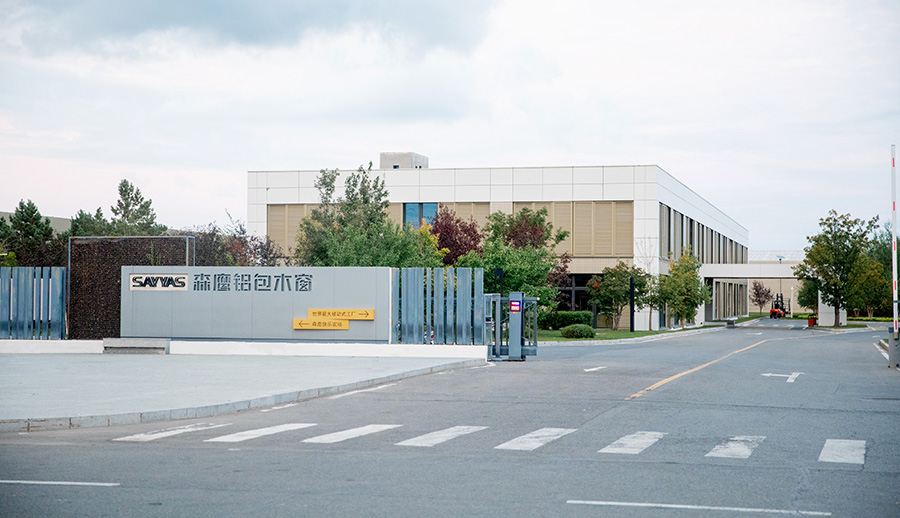
Enhancing Home Efficiency and Style with SAYYAS 5G Aluminum-Clad Wood Windows: A Comprehensive Guide
Enhancing home efficiency and style is a critical consideration for modern homeowners and builders, and the introduction of a state-of-the-art window system utilizing a combination of aluminum, uPVC, steel, and wood offers an impressive solution. This innovative architecture sets a new standard in construction, delivering both exceptional performance and aesthetic appeal that will elevate any living space.
The advanced window system features superior insulation properties, boasting a remarkable 10% increase in thermal efficiency compared to traditional aluminum-clad wood options. This ensures that indoor environments remain comfortable throughout the year. Additionally, the ultra-slim frame design, flush interiors and exteriors, hidden hinges, integrated screens, and concealed drainage mechanisms not only enhance the building's beauty but also improve its functionality. This attention to detail translates into an extraordinary window solution tailored for modern architectural needs.
Versatile and adaptable, this window system is specifically designed to meet the demands of various climate zones, making it a perfect choice for different architectural styles. The innovative structural design significantly reduces the amount of solid wood used on the interior side, facilitating high-end solid wood upgrades at a lower cost while promoting an environmentally friendly approach. By incorporating this cutting-edge window technology, you can create spaces that are both stylish and energy-efficient, aligning with today's sustainable living goals.
FAQS
: Glass windows provide natural light and enhance energy efficiency. They also improve mood and productivity.
Architects struggle to balance design ambitions with structural integrity and energy performance. Costs can complicate projects.
In extreme temperatures, the right glazing can influence energy consumption by up to 40%. Adaptability is crucial.
Buyers prefer environmentally friendly options and sustainable materials. Customization and versatility in designs are increasing in demand.
They create seamless connections between indoor and outdoor areas, maximizing natural light and enhancing spatial experiences.
Aluminum frames are durable but can conduct heat. Vinyl frames offer better insulation properties for energy efficiency.
Innovations like self-tinting and energy-efficient coatings improve comfort and lower energy costs. Adaptability is key.
Durability, maintenance, and upfront costs are important. High-quality materials often provide better long-term benefits.
Flexible designs cater to changing urban landscapes and personal lifestyles, allowing for responsive and functional spaces.
Consider how choices affect comfort, energy consumption, and overall carbon footprint. Long-term value should outweigh immediate needs.
Conclusion
The article "2026 Top Trends in Glass Window Designs for Global Buyers" highlights the evolving landscape of glass windows, focusing on several key trends set to dominate the market. Emerging technologies in glass window fabrication are enhancing the durability and functionality of products, while sustainable materials and eco-friendly designs are gaining traction among environmentally conscious consumers. Innovative aesthetic trends are reshaping the appearance of glass windows, making them a crucial element in modern architecture.
Additionally, the integration of smart glass features offers enhanced energy efficiency, aligning with global sustainability goals. As consumer preferences shift, the market insight reveals a growing demand for adaptable glass solutions that cater to changing environments. Overall, these trends indicate a significant transformation in glass window designs, prioritizing sustainability, innovation, and aesthetic appeal.



 About Us
 Company Profile


