
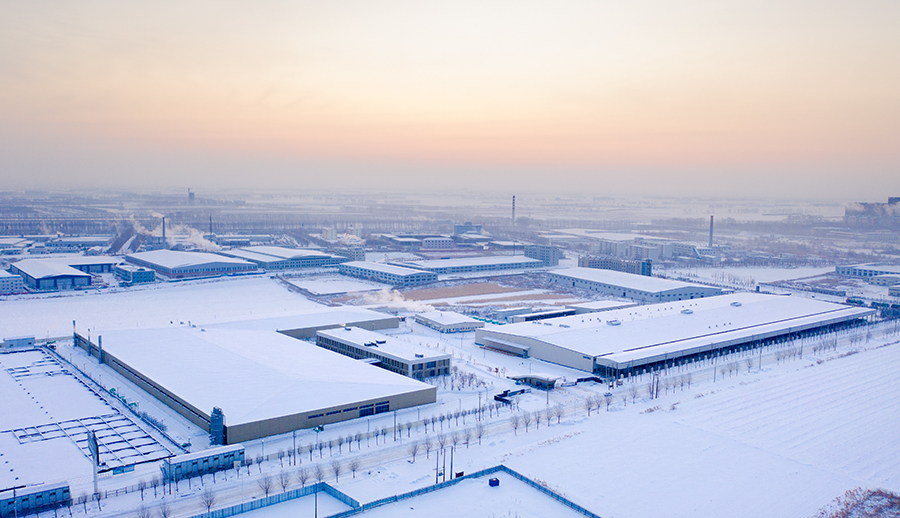
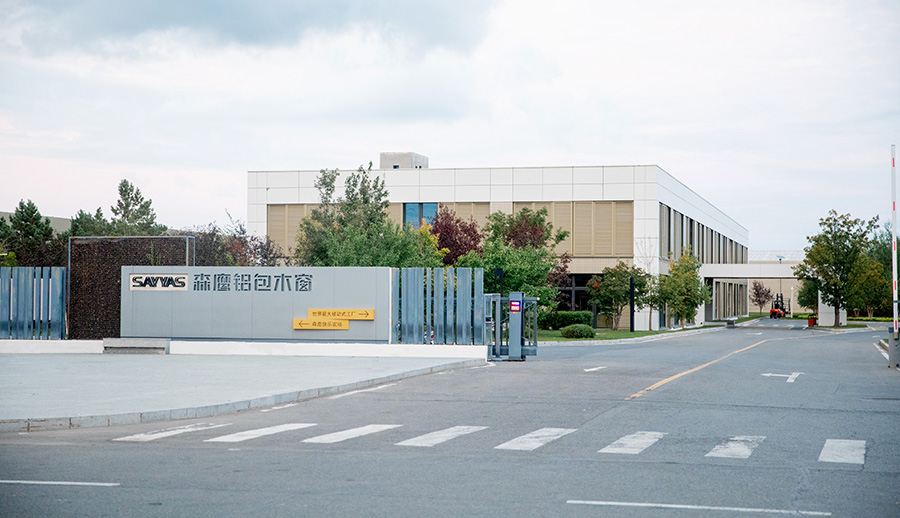
You know, the global manufacturing scene has really been going through the wringer lately, especially with all the back-and-forth on US-China tariffs. But even so, China's manufacturing sector is like this shining example of how to keep innovating and rolling with the punches. I came across this interesting report from the International Trade Administration that says China is responsible for almost 28% of the world's manufacturing output. That really shows how crucial they are to the global economy! In the middle of all this change, there’s SAYYAS WINDOWS CO., LTD., which is really carving out a niche by offering Unique Windows that blend efficiency and sustainability. They’re all about those eco-friendly architectural window solutions. With some seriously cutting-edge designs and advanced tech, SAYYAS is not just enhancing living spaces but also keeping resource use in check. As more and more people start looking for high-quality, innovative building materials, SAYYAS is in a great spot to not just keep up but actually lead us toward a greener future. It just goes to show that even with all the tariffs and challenges, there’s still room for growth and fresh ideas in manufacturing!
You know, the tariff disputes between the US and China have really shaken things up in how manufacturing works in both countries. With all these tariffs slapped on a bunch of goods, manufacturers have had to take a good hard look at their supply chains and tweak their production game plans. A lot of Chinese manufacturers found their costs creeping up because of these tariffs, which pushed them to get creative and make their operations more efficient. It's interesting to see how some parts of the manufacturing sector in China are stepping up and adapting to make the best out of a tough situation.
On top of that, these tariffs have really shifted the global manufacturing scene. Companies are starting to look at alternatives to their usual supply chains, which has led to new partnerships and platforms popping up. Some manufacturers are even thinking about moving production to places with lower tariffs, like Vietnam or India. Then there are others who are investing more in automation and tech to cut down on all the labor-intensive work. This mix of challenges and opportunities paints a pretty complex picture of the manufacturing landscape, which keeps changing in response to the US-China tariffs. It really shows how adaptable the industry can be when faced with these geopolitical pressures.
So, Chinese manufacturers have really been through the wringer lately with all these ongoing tariff disputes with the U.S. It's quite eye-opening—back in 2021, U.S. tariffs on Chinese goods went over $400 billion, which really shook up their export game. But instead of throwing in the towel, a lot of these manufacturers have gotten pretty savvy and adapted their strategies in some pretty innovative ways. For example, there's this report from McKinsey that points out nearly 60% of Chinese manufacturers have started diversifying their supply chains to play it safe. They're also cranking up their use of technology and automation to pump up productivity and cut down on the materials they need to import from the States.
On top of that, there's been a noticeable boost in demand right here at home in China that's helping to solidify the manufacturing sector. The National Bureau of Statistics of China mentioned that industrial output jumped by 14% year-on-year in 2022, showing how manufacturers are really starting to focus on local markets. And get this—investment in research and development has skyrocketed by 12.5%, according to the Ministry of Industry and Information Technology. These strategic shifts aren’t just a way to navigate through the tariff mess; they’re also setting these manufacturers up for more sustainable growth in the ever-changing global economy.
This bar chart illustrates the manufacturing growth rate in China from 2018 to 2023, showing resilience despite tariff challenges. The growth rates indicate the strategic adaptations made by Chinese manufacturers to overcome external pressures.
You know, China's manufacturing scene has really shown some serious grit when it comes to tackling the ongoing tariff challenges coming from the U.S. It's pretty impressive, honestly! A big part of this toughness stems from some pretty cool technological advancements that are totally changing the game. These manufacturers over there are diving headfirst into automation, artificial intelligence, and fancy robotics, which is helping them streamline their operations and boost productivity like you wouldn't believe. Not only does this tech cut down on the need for manual labor, but it also steps up quality control, which means they can stay competitive even when outside pressures are on the rise.
Plus, there's been a real game-changer with the rise of digital technologies that are turning traditional manufacturing into what they call 'smart factories.' By bringing in stuff like the Internet of Things (IoT) and big data analytics, they're able to make decisions on the fly, which is pretty vital when it comes to dealing with market shifts and supply chain hiccups. This kind of flexibility is crucial for staying afloat during these rocky economic times and adjusting to new demands. So, it's not just about getting through the tariff struggles; China's manufacturing industry is actually gearing up for long-term growth by constantly innovating and adapting. Pretty exciting stuff!
You know, China’s manufacturing sector has really shown some impressive resilience, especially with all the trade tensions brewing up with the U.S. I mean, even with those pesky tariffs in place, a lot of key industries have found ways to adapt and actually thrive. They’re getting pretty creative with their strategies to handle these challenges. Take electronics, for example—manufacturers are shaking things up by shifting their supply chains around and putting money into tech that helps them rely less on foreign components. This whole transformation? It not only softens the blow from those tariffs but also helps China stand out as a leader in high-tech manufacturing.
And let’s not forget the renewable energy sector! It’s really booming right now. With the world going gaga over clean energy solutions, Chinese manufacturers are jumping on board—think solar panels and wind turbines, ramping up production like crazy. They’ve got a ton of government support and are investing seriously in research and development, which has been a huge boost. It’s clear that China is making a strong statement in the global renewable energy market. This whole shift towards sustainable manufacturing shows just how well they can capitalize on their strengths in innovation and production, all while navigating those tough external economic pressures.
With the trade tensions between the U.S. and China heating up, we’re seeing more and more Western tech companies going for an ‘Anything But China’ strategy. It’s a big deal! This shift really shows how important it’s become for businesses to rethink their supply chains, especially with those tariff hikes and the whole geopolitical mess we’ve got going on. Companies are now using this four-step approach—what, where, whom, and how—to figure out better options and reduce their reliance on Chinese production. Not only does this help them dodge risks linked to tariffs, but it also opens up new doors with suppliers from other regions.
At the same time, Chinese manufacturers are broadening their horizons, looking for ways to expand beyond just their domestic markets. They’re ramping up outbound investments and focusing more on exports, which really signals a shift in how they do business. As supply chains in Asia start to get reshaped, we’re faced with a landscape that’s filled with both challenges and opportunities for everyone in the game. Take Europe’s push for local supply chains in the electric vehicle sector—it's a clear sign of the global ripple effects happening right now. In this fast-paced market, getting a grip on the new supply chain dynamics is crucial for manufacturers looking to not just survive, but really thrive, despite all the geopolitical headwinds coming their way.
You know, in this crazy world of tariffs and shifting trade winds, China’s manufacturing sector really shows some serious grit and flexibility. A recent report from the China National Bureau of Statistics shared some interesting news: in 2022, even with all the economic bumps in the road, the manufacturing industry still managed to grow by about 4.6%. That just goes to show how vital it is in the global supply chain! For companies like SAYYAS WINDOWS CO., LTD., this is golden. They're perfectly set up to tap into innovative designs and cutting-edge technology to meet the growing need for efficient and eco-friendly building solutions.
SAYYAS is all about making our living spaces better while slashing resource consumption. Their commitment to sustainability is right on the money, especially when you consider that buildings were reported to account for nearly 40% of global energy-related carbon emissions in a 2023 International Energy Agency report. As manufacturers deal with all the tariffs and challenges, focusing on eco-friendly products isn’t just smart; it's what a lot of consumers are looking for these days. This smart approach means SAYYAS isn't just keeping up but actually thriving amidst all the uncertainties, helping to shape a beautiful and sustainable future for homes everywhere.
| Year | Manufacturing Growth Rate (%) | Tariff Impact (%) | Major Export Products | Future Outlook |
|---|---|---|---|---|
| 2021 | 8.1 | -2.5 | Electronics, Textiles | Stable growth expected |
| 2022 | 5.0 | -3.0 | Machinery, Automotive Parts | Cautious optimism in exports |
| 2023 | 6.3 | -1.5 | Consumer Goods, Pharmaceuticals | Recovery in demand anticipated |
| 2024 | 7.0 | -1.0 | Electronics, Renewable Energy | Sustained growth expected |
| 2025 | 7.5 | -0.5 | High-Tech Products, AI Solutions | Innovations driving exports |
: Chinese manufacturers have faced significant challenges, with U.S. tariffs on Chinese goods exceeding $400 billion in 2021, impacting export dynamics.
Many manufacturers have diversified their supply chains (nearly 60%), integrated technology and automation, and reduced reliance on imported raw materials from the U.S.
An increase in domestic demand has fortified the manufacturing sector, with a reported 14% year-on-year rise in industrial output in 2022 as manufacturers cater more to local markets.
Investments in research and development have surged by 12.5%, indicating a commitment to innovation and sustainable growth.
Many Western tech firms are adopting an “Anything But China” (ABC) strategy, reassessing their supply chain strategies to diversify away from their dependence on Chinese production.
The four-step process includes identifying what, where, whom, and how, allowing manufacturers to find viable alternatives and mitigate risks associated with tariffs.
Yes, many Chinese manufacturers are pursuing outbound investments and focusing on exporting, signifying an evolution in their business models.
Europe's push for local supply chains in the electric vehicle sector exemplifies the ripple effects of shifting supply chain dynamics across the globe.
Understanding the new supply chain landscape is crucial for manufacturers aiming to thrive amidst ongoing geopolitical strains and to identify opportunities for growth.


