


 About Us
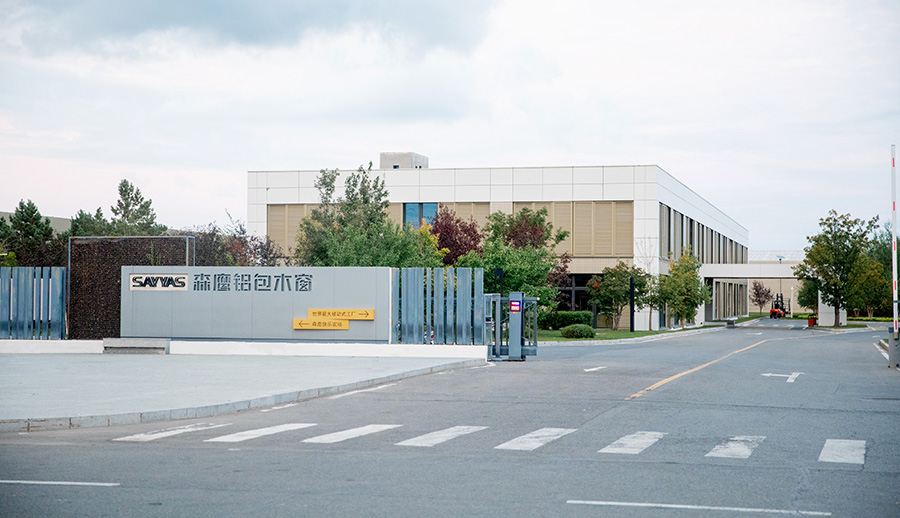 Company Profile
 Leave Your Message
The incipient awareness of global issues has brought in the demand for sustainable construction practices. One such crucial technology that has been innovated in this domain is advanced Storm Window technology, which enhances energy efficiency while also aesthetically adorning buildings. Established storm window trends are bound to see an innovation towards 2025, setting new standards for architects and proferring solutions for climate-change issues and addressing the quest for more comfortable living spaces.
At SAYYAS WINDOWS CO., LTD., we are proud to be preoccupied with this gradual transition into sustainable architecture, serving with all our might the global client with environmentally friendly products in the field of architectural windows. Following innovative concepts in design and advanced use of technology, it is our sole aim to alter habitable spaces in energy-saving dimensions. By way of advanced scientific storm window developments, SAYYAS is able and willing to spearhead a march toward sustainability, thus ensuring that our products fulfill all functionality and liveliness expectancies of our valuable customers.

Cutting-edge materials for storm windows will propel sustainable construction and alter the way energy efficiency is defined. Lately, reports from various industries indicate that through incorporating advanced materials, storm windows' energy efficiency can improve as much as 35%. This much promise is associated with low-emissivity (low-e) glass, which allows the free penetration of natural light into interiors and reflects heat, cutting down the use of artificial heating and cooling requirements. Further, insulated frames from recycled materials are becoming more popular. As per a report from the National Fenestration Rating Council (NFRC) in 2022, homes that installed storm windows made from these innovative materials could save average energy costs by approximately 20%. This is a classic demonstration of energy reduction and the use of renewable resources in increasing green behavior in the construction industry. Emerging technologies such as vacuum glazing and advanced polymers also play an essential role in storm window innovations. The latest work from the U.S. Department of Energy indicates that such materials perform much better thermally, as well as acoustically, and their durability levels are higher. Innovations in storm windows will represent a necessary and significant step toward a greener construction and energy-efficient future in light of the rising demand for sustainable solutions in building.
Dating back to October 2023, the importance of triple glazing in sustainable construction practice has been emphasized more and more over the years, leading to new developments toward the year 2025. Triple-glazed windows with three glass panels separated from one another by gas-filled spaces offer better insulation than the standard double-glazed window. Therefore, energy efficiency is improved, and the carbon footprint of a building is greatly minimized, making this component very vital to green design.
The architectural fraternity is more than ever celebrating how good thermal performance can greatly reduce the demand for heating and cooling. By curbing energy loss, triple glazing allows the building to retain its internal temperature, thus reducing the demand for winter heating and summer air conditioning. Therefore, this sort of energy efficiency lessens carbon emissions, helping the worldwide campaign against climate change, and obeying tighter building codes.
The newer iteration of triple glazing systems also complements sound insulation, leading to the creation of calmer living environments, while keeping energy performance at higher levels. Noise pollution becomes an issue with increasing urbanization; because of the thermal and acoustic benefits, triple glazing windows make a very attractive proposition for modern buildings. Apart from sustainability, it improves the quality of life for inhabitants, reinforcing its position as an anchor for future building practices.
In today's rapidly evolving landscape of modern living, it is the integration of smart glass technology and the Internet of Things (IoT) that are beginning to revolutionize sustainable construction. One can argue that by 2025, the significance of storm windows endowed with smart features is beyond measure. The significance of these innovations does not only enhance the efficient use of energy via an interconnected, more responsive living environment, but such glazing can automatically adjust its own transparency subject to the sunlight, helping the inhabitants to be able to simultaneously save energy and ensure a comfortable year-round ambient condition.
Moreover, the burgeoning field of smart home devices, from connected appliances to intelligent control systems, is creating an environment where smart windows are easily embraced and seamlessly integrated within the wider IoT ecosystem. The integration of IoT and smart homes with AI technology contributes significantly to real-time data tracking and energy management for homeowners. This extension into interconnectivity provides not only convenience for living but also a great leap for sustainability.
The emergence of intelligent platform solutions further refines user experiences, allowing the convergence of centralized control for various home functions, including window management. Smart technologies are progressing along with building construction so that structures can be rated for even higher performance with miniscule resource consumption. Embarkment on these avenues is vital for those construction practices that go with the notion of forward-thinking toward sustainability if future living is to see the light of day.
Transforming exteriors, storm windows also add comfort and reduce noise indoors, and even science has proven that storm windows significantly change the way climate influences inDoor Comfort and noise reduction. Some of the documents in the recent research say that windows with poor insulation alone can account for almost one-fourth or three-tenths of the heating and cooling energy wasted for a home. Therefore, by putting in advanced designs of storm window, the homeowner will significantly increase thermal efficiency and energy savings benefits.
The modern home consumer is keen on the capabilities of today's storm windows in noise reduction. Indeed, sounds have increased to such levels in urbanized areas that they have begun to affect the mental well-being of the populace. The World Health Organization further states that exposure to noise above 55 decibels has been linked with rising stress levels and disturbances in sleep patterns, among other things in health. However, with the aid of double or triple glazing, storm windows can cut intrusive noise by up to half, producing a much calmer atmosphere in a home-stationed indoors.
The year 2025 is anticipated to be the turning point for the storm window innovation uptake as it enters the cloud of growing popularity for sustainable building practices. Not just energy-efficient, the new trend cares for occupant comfort and health at the same time. Change in the indoor environment initiates a change in the noise level. Therefore, new storm window innovations might not be that long from now for the differences between a peaceful household and a noisy or uncomfortable one.
Advances in window technologies from a sustainable building perspective are gaining the economic acceptability to the point where an amalgam with renewable solutions seems nothing less than an an absolute gesture. Looking forward to the next decade, storm windows will not only be yet another avenue for energy conservation, but also for solar energy generation. Studies were paying testament to the fact that savvy Window Design could enhance the efficiency of solar gain and yield lower need for conventional energy sources. A report from the International Energy Agency (IEA) points out that buildings amount to nearly 40 percent of global energy consumption and must suggest the necessity for sustainable architectural innovations.
The newly discovered energy storage technologies (e.g., metal batteries with high energy densities) producing so much energy show how solar building integration becomes possible. This energy storage within the interior outfit makes the infrastructure more sustainable by storing energy while providing flexibility. The research group from Shanghai Jiao Tong University published an extensive report on solar thermal interfacial evaporation in *Nature Energy*, reiterating the importance of using novel materials and designs that increase energy conversion and storage efficiencies for beneficial architecture and engineering applications.
In the future as storm windows continue to evolve, improvements to the building envelope, and the integration of renewable energy solutions will become the most impactful liaisons in support of emissions-free schemes. One such window technology that crosses these thresholds is smart glass, which has the ability to double as insulating but also as solar photovoltaic panels for storage. By treading that path of aligning architecture to new renewable technologies, the construction industry is posed to take the lead in sustainable development, generating the largest amount of the sun's power while committing to consistent environmental benefits.
The regulatory trends conditioning the adoption of sustainable storm window technology will remain very significant for this industry in 2025, thereby further entrenching the industry's commitment to sustainable construction practice. According to recent findings by the U.S. Department of Energy, energy-efficient windows could conserve heating and cooling costs by 7-15%. Consequently, this fact fosters the choice of the application of these innovations among the homeowners and builders alike. Federal and state regulations have moved in favor of energy efficiency, mainly pushing the manufacturers to work towards high-performance storm windows that meet demanding energy code requirements.
States have also begun including carbon footprint reductions in their regulatory frameworks-those metrics that also turn back on the window market. The National Fenestration Rating Council (NFRC) has demonstrated that improvements in storm window methods, including low-e coatings and enhanced thermal insulation, meet and often exceed the regulatory requirements. So as states increasingly insist on and enforce building codes that promote energy efficiency, the growth of environmentally friendly storm windows in both new and existing buildings should follow.
Demand from consumers of late has also been a tremendous impetus behind these developments. According to the [Green Building Industry Association], 72% of builders surveyed indicated that their clients consider sustainability materials a top priority. Thus, manufacturers need to keep innovating and changing their product line in fulfillment of regulations and tending to consumers' demand. With the green movement gaining momentum, storm windows are set to play an important role in the sustainable construction agenda for 2025.
As the construction industry turns toward sustainability, investing in modern storm windows becomes ultimately paramount to long-term savings. The U.S. Department of Energy claims that an energy-efficient window will lessen bills from 12% to 30%, depending on weather and existing insulation, thereby barring any discussion about the feasibility of storm windows, which boost insulation and additionally, protect old windows to help promote their life span to save replacement costs.
Furthermore, a comprehensive report by the National Renewable Energy Laboratory estimates that upgrading to high-performance storm windows has an expected ROI of 70-80% on average over the life of the product. Advanced materials and technologies incorporated into modern storm window design significantly enhance their energy performance, making them an economically viable option for residential and commercial buildings alike. This further implies reduced energy usage, less stress on heating and cooling systems, and consequent low bills—a pretty tempting deal for an environmentally aware property owner.
Also, the international market for storm windows shall grow at a CAGR of 6.5% between 2023 and 2028, which is an indicator of robust demand fuelled by rising energy costs and concerted environmental initiatives. As construction methods comply with green building criteria, storm windows will usher in both environmental benefits and excellent financial prospects for the future as sustainability and cost-effectiveness go hand in glove.
As cities around the world promote greener construction techniques, the technology of advanced storm windows is becoming an urban resilience superstar. In leading examples from major cities, storm window advances contribute not only to energy efficiency but quite significantly to the broader agenda of sustainability. These new storm windows, featuring sophisticated designs and materials, are changing the means by which urban spaces can withstand extreme weather while retaining an ecological pedigree.
Case studies provide much evidence regarding the success of various implementations through storm windows for retrofitting centuries-old buildings for the improvement of thermal performance and energy demand reduction. These works often incorporate intelligence monitoring systems for real-time energy use. Building managers can then use this information to tune and adapt their operations. But this goes beyond energy savings; it engages local economies, is a testament to cities' commitment to innovation, and fosters local participation in sustainability.
This wave of technologies signals an emerging awareness of environmental resilience in urban planning. By making storm-window innovations a priority, cities brace for the onslaught of climate change while nurturing a culture of sustainability with far-reaching social and economic dividends. As this trend matures through 2025 and beyond, the interlocking domains of technology, sustainability, and community empowerment will emerge as fundamental shapers of urban living standards.
Smart window technologies are advanced systems that can automatically adjust their transparency based on sunlight, enhancing energy efficiency and comfort in homes.
Smart windows optimize energy consumption by adjusting to environmental conditions, which helps reduce energy demand and promotes a connected and responsive living environment.
The IoT facilitates the integration of smart windows with other smart home devices and systems, enabling real-time data tracking, energy management, and centralized control over home functions.
Storm windows with smart technology enhance thermal performance, reduce energy demand, and allow for real-time monitoring of energy use, which helps improve overall building efficiency.
Various metropolitan areas have retrofitted older buildings with innovative storm windows to enhance energy efficiency and thermal performance, showing significant improvements in sustainability efforts.
Smart window technologies contribute to urban resilience by improving energy efficiency, fostering community involvement in sustainability efforts, and preparing cities for climate change challenges.
Successful implementations of smart window technologies can engage local economies by inspiring innovation and community participation in sustainable practices.
As we move toward 2025 and beyond, embracing smart window technologies is essential for achieving higher performance standards in construction while minimizing resource consumption.
Community empowerment plays a pivotal role in reshaping urban living standards by encouraging local participation in sustainability initiatives driven by smart technologies.
By allowing building managers to monitor and adapt energy use in real-time, smart windows help to optimize operations and achieve significant energy savings.


